03 August, 2026
As modern technology advances rapidly, the demands placed on engineering professionals extend beyond technical proficiency. High-pressure deadlines, ethical dilemmas in technology development, and workplace burnout have highlighted a crucial gap in engineering education: the need for inner resilience, clarity of purpose, and value-based leadership.
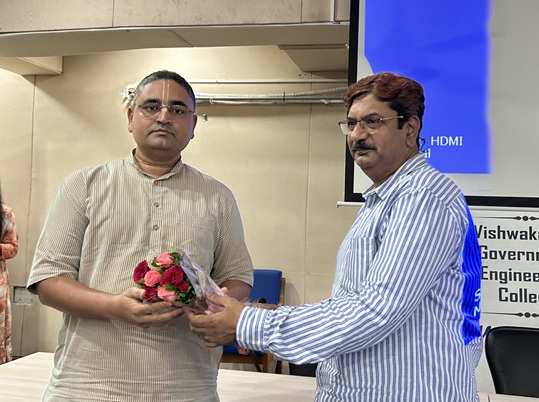
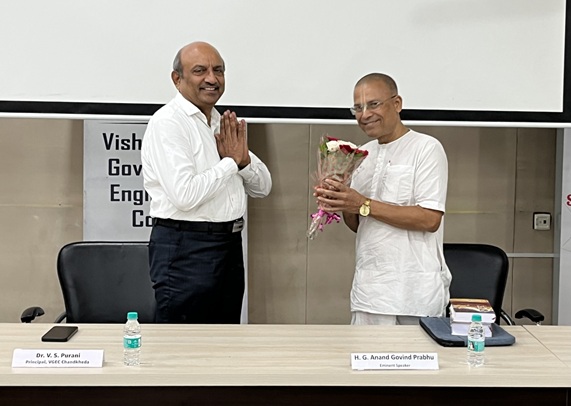
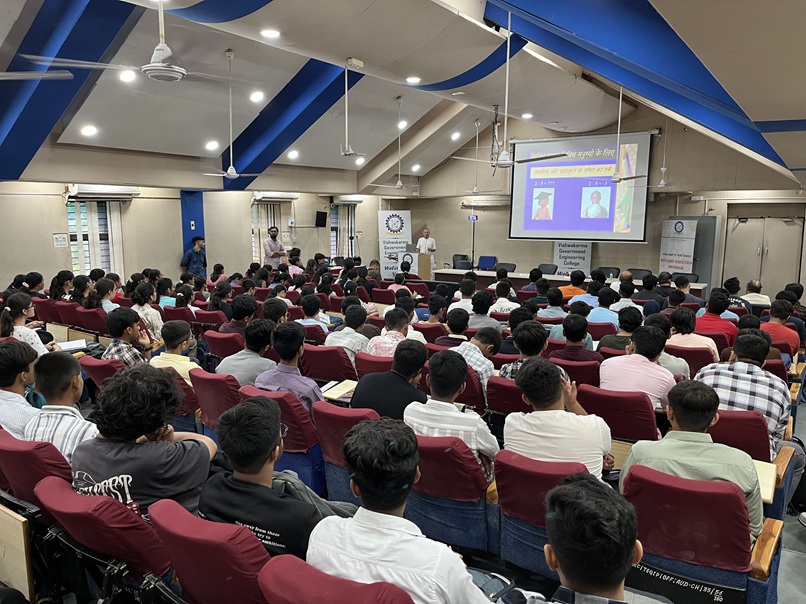
According to HG Gopinath Ras Prabhu, a representative of the International Society for Krishna Consciousness (ISKCON), and scholar H. G. Anand Govind Prabhu, the Bhagavad Gita As It Is provides a comprehensive blueprint not only for spiritual enlightenment but also for long-term professional success and ethical conduct in engineering.
The Bhagavad Gita ("The Song of God") is a 700-verse Hindu scripture that forms a key part of the ancient Indian epic, the Mahabharata (specifically chapters 23–40 of the Bhisma Parva). Composed as a dialogue between Prince Arjuna and Lord Krishna (acting as his charioteer), it takes place on the battlefield of Kurukshetra, right before the outbreak of the great war.
Structure: Dividable into three distinct sections of six chapters each:
When Arjuna is overwhelmed by moral dilemma and grief over fighting his own relatives, Krishna imparts timeless spiritual wisdom. The Gita addresses fundamental human questions regarding duty (Dharma), right action without attachment to outcomes (Nishkama Karma), the immortality of the soul, and paths to spiritual realization.
It is revered globally not just as a religious text, but as a practical guide to life, self-mastery, ethics, and mental resilience across centuries.
Key Dimensions of the Gita in Engineering Workflows
1. Karma Yoga (Duty Without Anxious Attachment)
Engineering projects frequently involve unpredictable variables, systemic bugs, and tight release schedules. Chapter 2, Verse 47 (Karmanye vadhikaraste...) emphasizes focusing wholeheartedly on one's duty while letting go of anxiety regarding outcomes.
2. Ethical Design and Dharma
With AI, automation, and industrial technology impacting society profoundly, engineers act as architects of human life. The Gita’s emphasis on Dharma (righteous duty and moral alignment) encourages engineers to evaluate the societal and environmental impacts of their innovations.
3. Stress Management and Equanimity (Sthitaprajna)
Through Krishna's guidance to Arjuna, the Gita teaches emotional intelligence and mental stability amid crisis.
4. Mind Control and Deep Focus
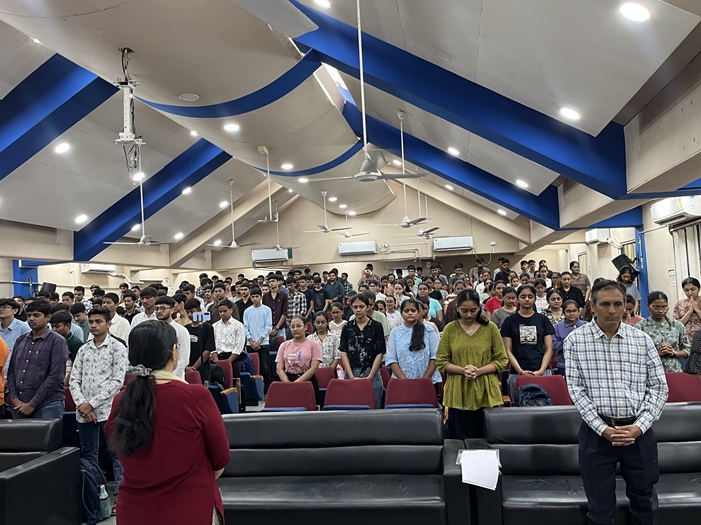
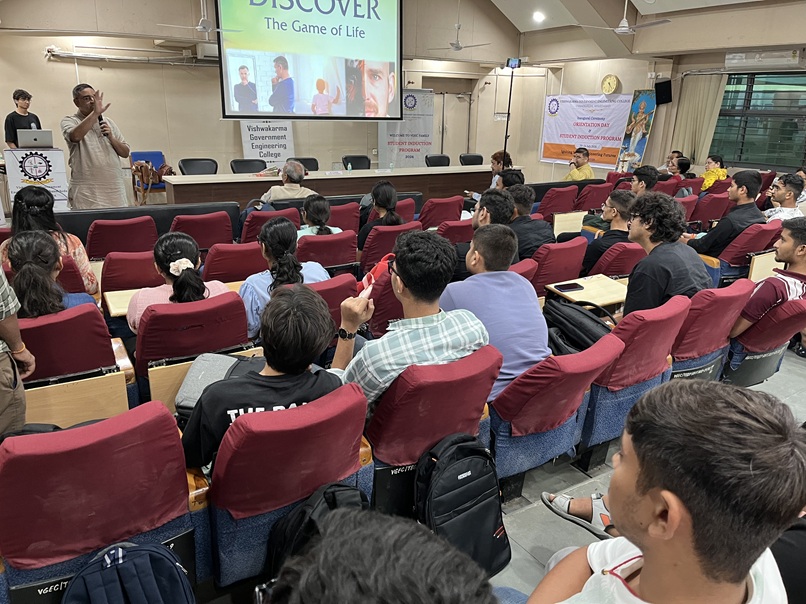
Chapter 6 highlights the mind as either one's best friend or worst enemy. ISKCON youth outreach programs at premier technical institutes (such as VGEC Chandkheda) emphasize Gita-based meditation techniques to sharpen intellectual clarity.
Executive & Scholarly Perspectives
"An engineer equips society with physical infrastructure, but without an internal compass, human progress remains incomplete. The Bhagavad Gita transforms a technical worker into a visionary leader by teaching that work itself can be a sacred offering (Yajna) for the welfare of all living beings."
By bridging ancient Vedic wisdom with modern technological demands, ISKCON continues to advocate for value-integrated engineering curricula, ensuring that tomorrow’s technology leaders build not just efficient systems, but a sustainable and ethical future.