Modern Wind Generator Topologies Technologies Driving the future of Wind Energy

13 August, 2026

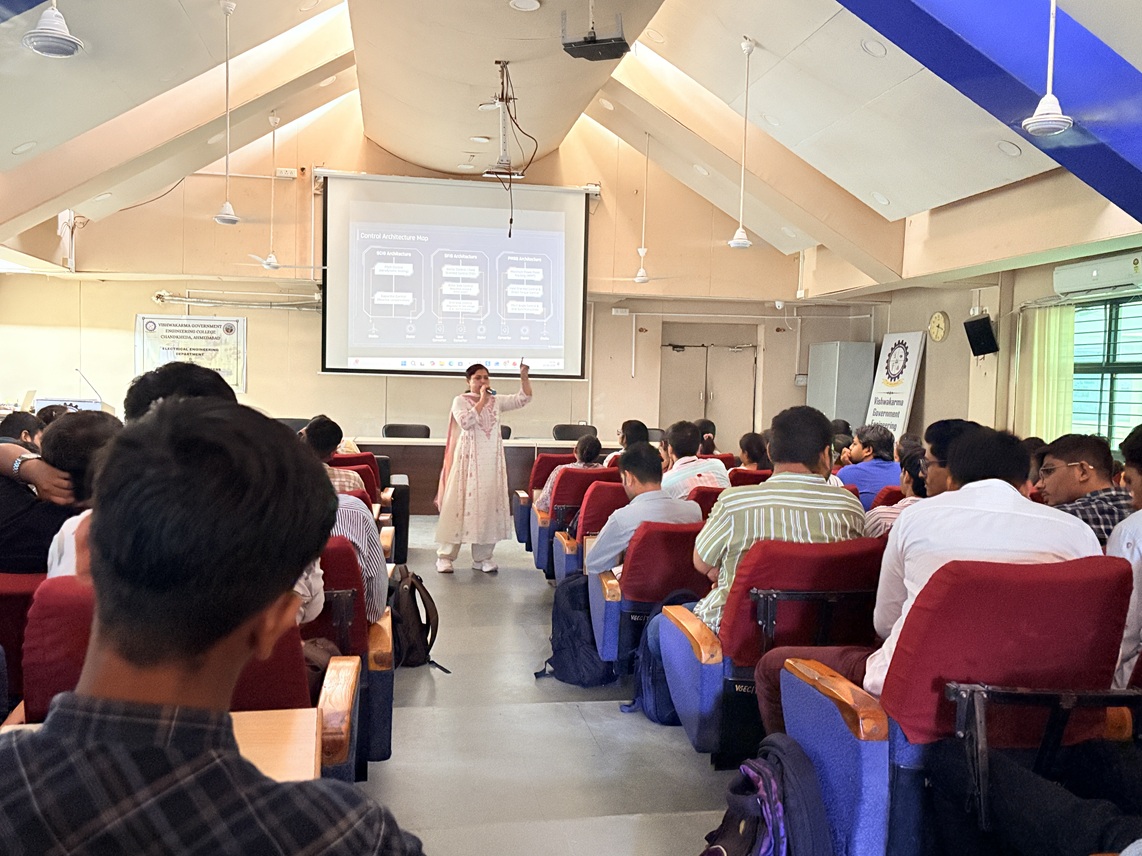
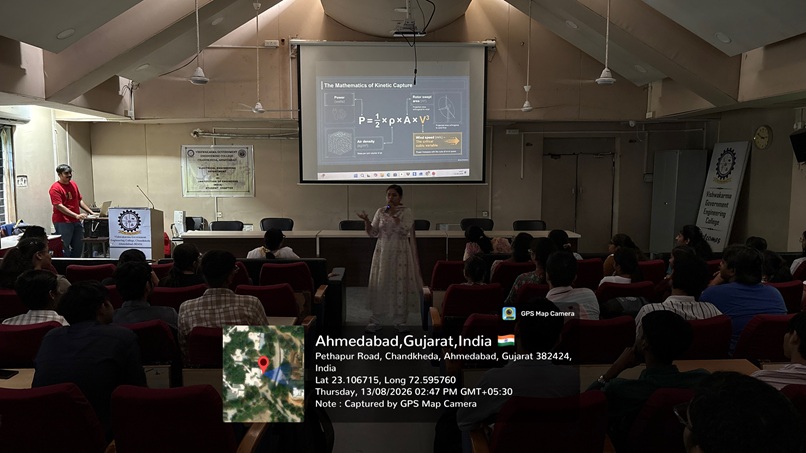
The Department of Electrical Engineering at Vishwakarma Government Engineering College (VGEC), Chandkheda, under the IEI Student Chapter, organised an expert lecture titled “Modern Wind Generator Topologies: Technologies Driving the future of Wind Energy” on 13th August 2026, at the A-Block Auditorium. The session witnessed enthusiastic participation from 157 students of the 5th & 7th semester, Electrical Engineering Department. The expert speaker, Dr Krishna S. Patel (Ph.D. on “Performance Investigation and protection of grid connected Wind energy systems”). The lecture focused on the latest developments in wind energy conversion systems, with particular emphasis on modern wind generator configurations, power electronic converters, advanced control techniques, and their role in efficient and reliable renewable power generation. The discussion also highlighted the increasing role of advanced electrical machines and power electronics in improving wind turbine performance, grid integration, power quality, and energy conversion efficiency.

Key Features:

  • Organizing Department: Electrical Engineering
  • Expert: Dr Krishna S. Patel (Ph.D. on “Performance Investigation and protection of grid connected Wind energy systems”)
  • Date: 13th August 2026
  • Venue: A-block Auditorium, VGEC
  • Number of Participants: 157
  • Coordinators:  Prof. M.L.Patel and Prof. N.B.Lodha 

Key Points Discussed:

  • Overview of modern wind generator topologies used in contemporary wind energy conversion systems.
  • Comparison of fixed-speed and variable-speed wind generation technologies.
  • Working principles and characteristics of DFIG, PMSG, and other advanced generator configurations.
  • Comparison of generator topologies in terms of efficiency, reliability, cost, maintenance, and scalability.
  • Recent technological developments supporting large-scale and offshore wind power generation.
  • Challenges related to intermittent wind resources, grid stability, and system reliability.
  • Career and research opportunities in modern wind energy technologies for Electrical Engineering students.

Outcome:

  • Students gained a better understanding of modern wind generator topologies and their applications in wind energy conversion systems.
  • Students developed awareness of DFIG, PMSG, and other advanced generator technologies used in modern wind turbines.
  • Students were able to appreciate the importance of efficiency, reliability, cost, and scalability in selecting wind generator technologies.
  • The lecture enhanced students' awareness of emerging trends and future technologies in wind energy generation.
  • Students developed greater awareness of the role of wind energy in sustainable and low-carbon power generation.
  • The lecture promoted lifelong learning and interest in emerging renewable energy technologies.

Glimpses