14 April, 2026
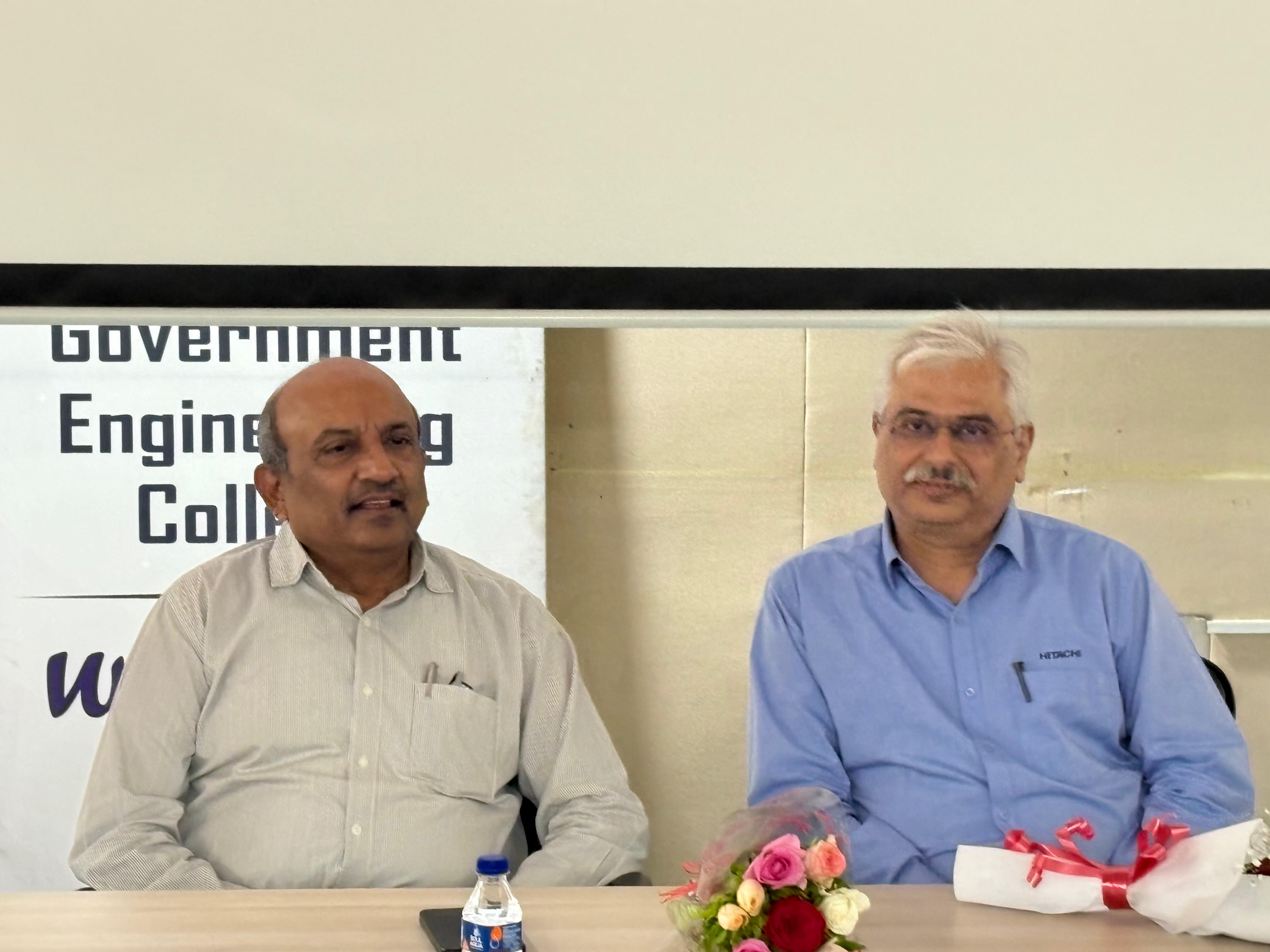
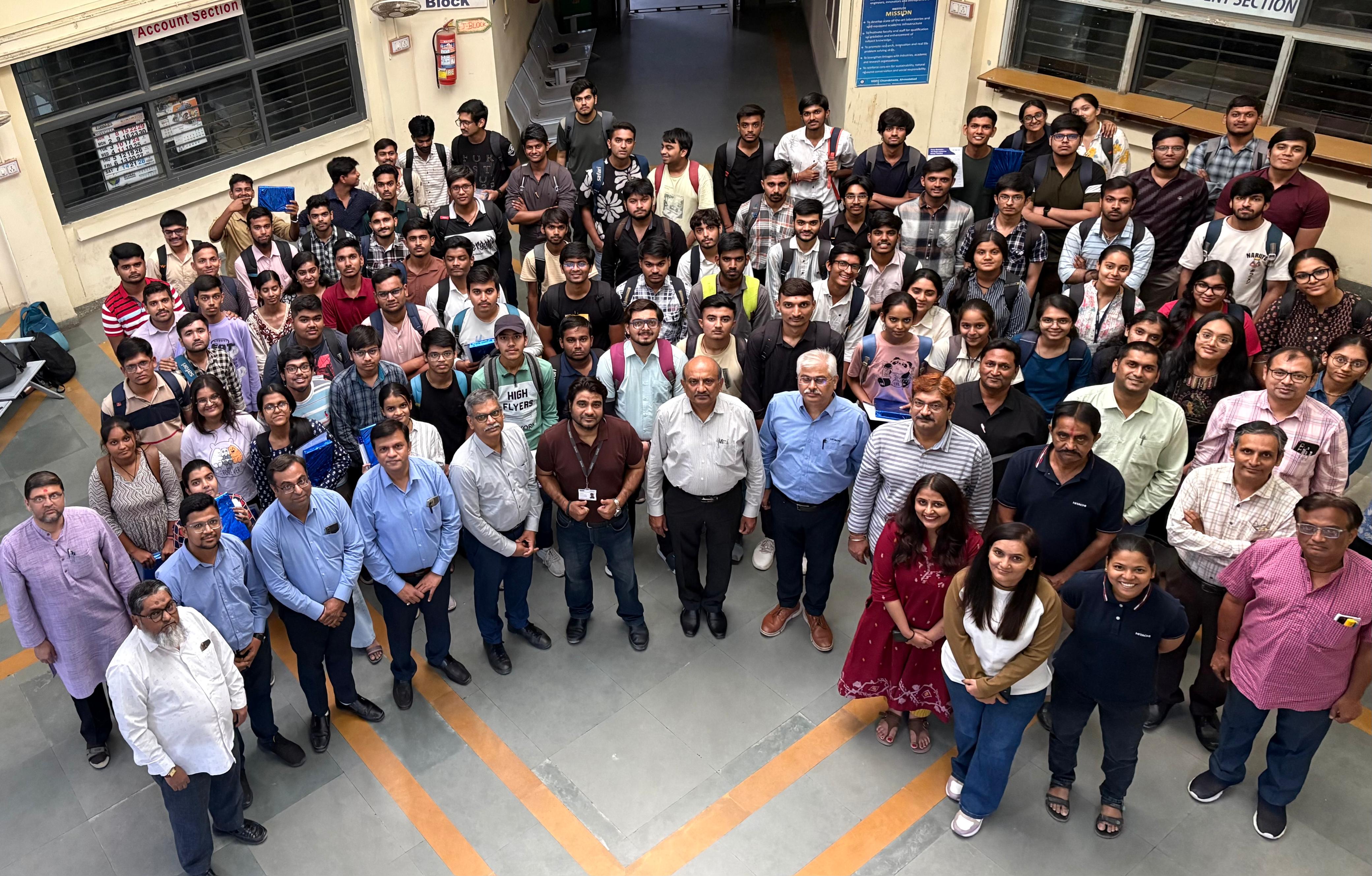
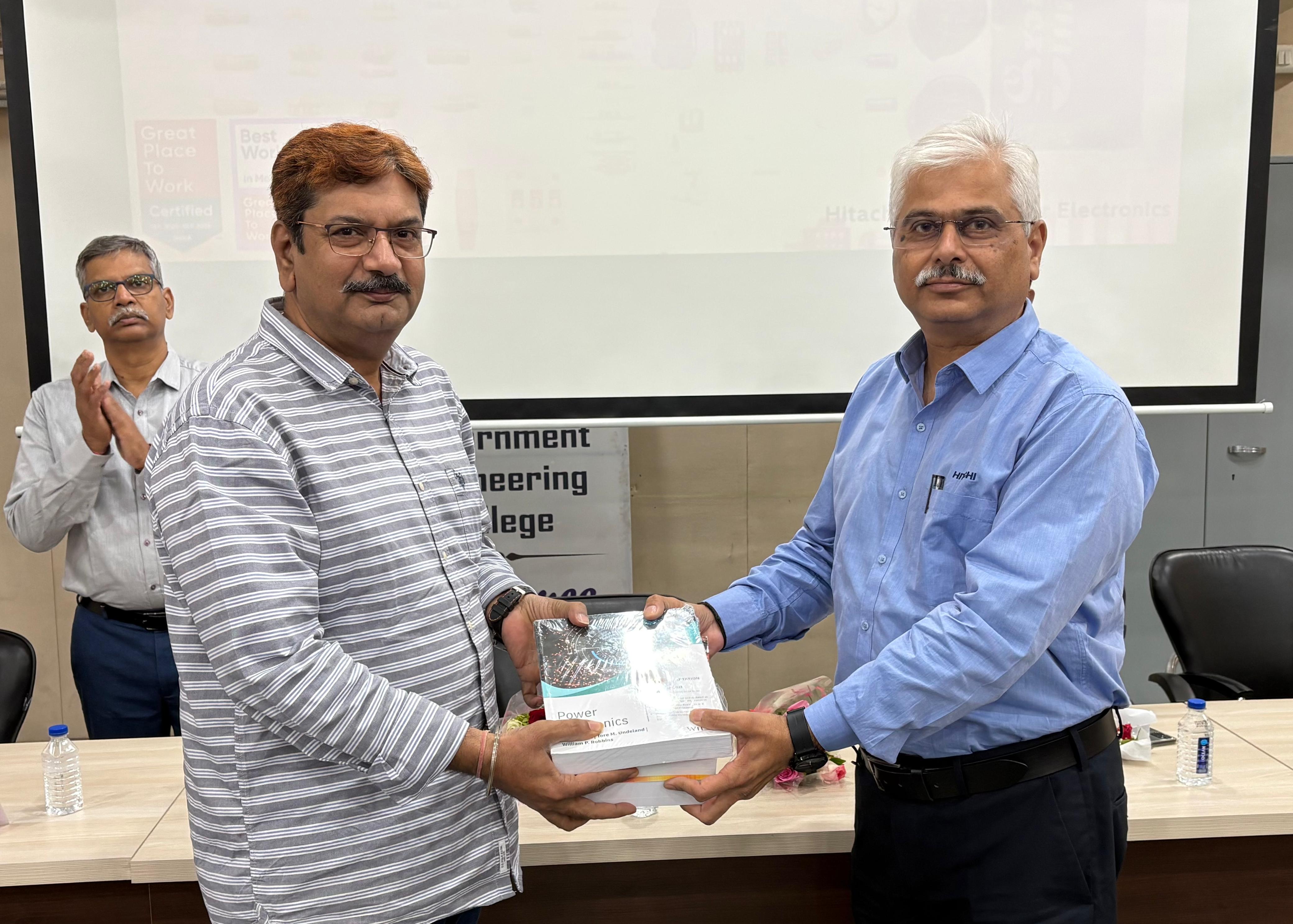
At a time when nations across the world are racing to secure reliable and sustainable energy, experts are increasingly pointing to a less visible but powerful force driving this transition power electronics. Highlighting its growing importance not just in technology but in shaping economic stability, the Power Electronics Department Vishwakarma Government Engineering College (VGEC), Chandkheda, as part of Industry Institute Interaction in association with Hitachi Hi-Rel Power Electronics, organised an expert session under its Power Electronics Kit Distribution under CSR and Tech Club initiative, bringing industry insights directly to students.
Unlike routine academic events, the session went beyond theory to address a key concern in engineering education - the gap between knowledge and practical application. Reinforcing this, Principal Dr. V. S. Purani pointed out that many postgraduate and doctoral projects often lack real-world implementation, a gap clearly visible even in technical theses. He urged students to shift their focus from only learning concepts to building, testing and applying them in real systems, stressing that the future will favour engineers who can translate ideas into working solutions.
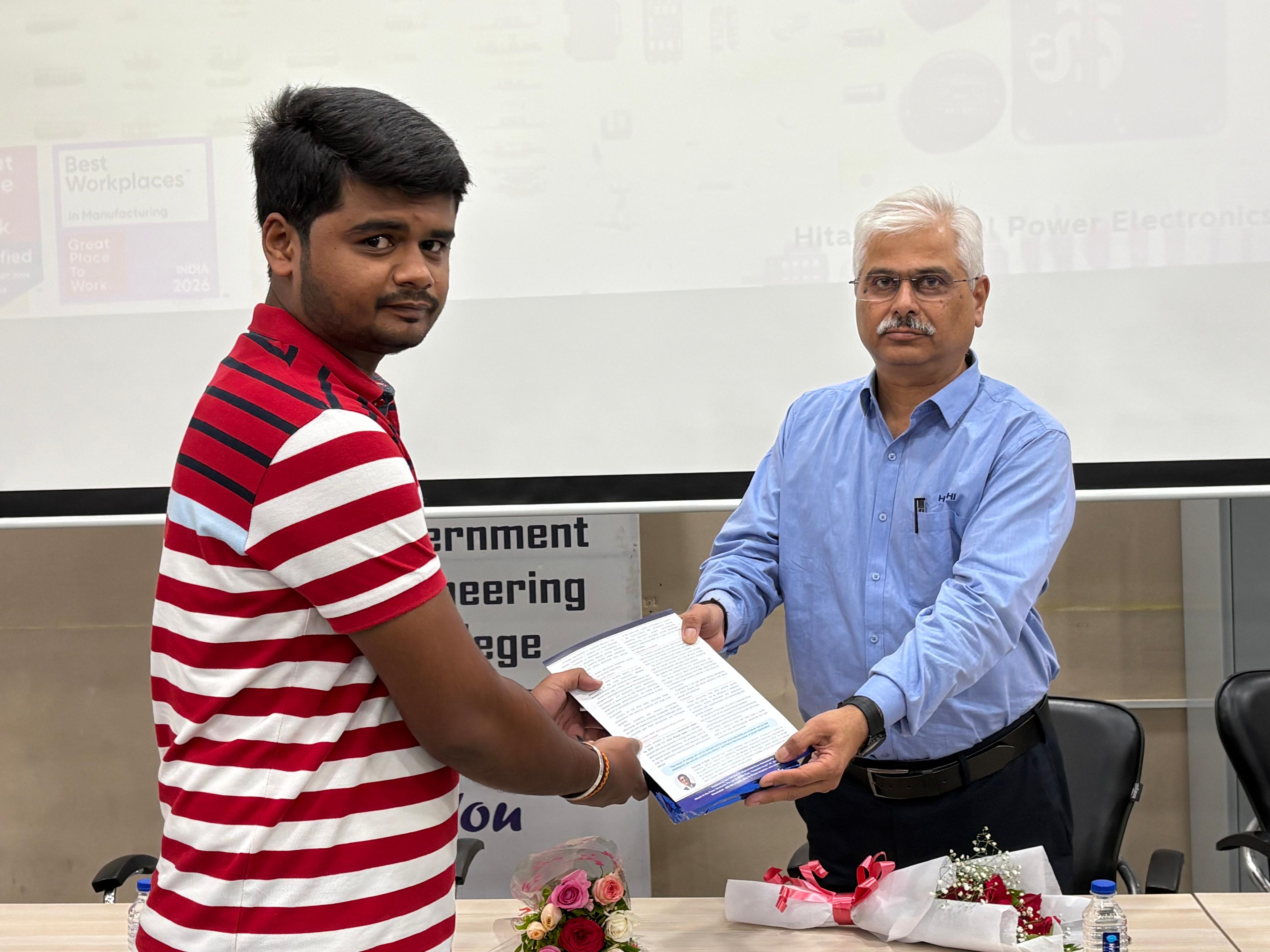
In a significant step towards this direction, power electronics component kits were distributed to nearly 200 students, encouraging them to engage in hands-on projects and experimentation. The initiative aims to move students beyond textbooks and motivate them to explore real engineering challenges, build practical confidence and develop problem-solving abilities skills that are increasingly valued in the industry.
In a message dedicated to the next generation of engineers, Darshan A. Shah, Managing Director of Hitachi Hi-Rel Power Electronics, highlighted power electronics as the "backbone of modern electrical infrastructure". Published by the company's CSR and Tech Club initiative, the brief outlines the field's critical role in India’s "Viksit Bharat" 2047 vision and the global shift toward sustainable energy.
The Core of Modern Infrastructure
While often operating behind the scenes, power electronics technologies are essential for maintaining business continuity and industrial efficiency. Key applications include:
Uninterrupted Power Supplies (UPS): Providing instantaneous backup for critical facilities like hospitals and data centers.
Variable Frequency Drives (VFD): Optimizing motor speed to significantly reduce energy consumption in industrial processes.
Solar Inverters: Converting direct current from photovoltaic panels into grid-compatible alternating current, making large-scale renewable energy practical.
Bridging the Gap: Academia to Industry
Shah emphasizes that the theoretical foundations studied in classrooms—such as converter topologies, pulse width modulation, and semiconductor devices—are the direct building blocks of real-world systems. He noted that while universities drive research in high-frequency switching and wide-bandgap semiconductors, the industry translates these innovations into large-scale products.
Strategic Growth in Gujarat
The report identifies Gujarat as an emerging leader in the electronics and semiconductor sector. With progressive policies supporting electronics clusters, the state is positioning itself as a major hub for future technologies, aligning with India's goal to reduce import dependency and become a global manufacturing center.
A Call to Action for Students
Addressing students, Shah urged them to view the discipline not just as a technical specialization but also as a means for societal progress.
"The future of energy will not be defined only by how much electricity we produce, but by how intelligently we convert, control and utilize it—and that is the true power of power electronics."
Engineers are encouraged to strengthen their fundamentals while remaining curious about emerging technologies and practical industrial applications to help build a sustainable future.
They further explained that power electronics acts as the critical link between energy generation and its effective utilisation. From enabling efficient power conversion to ensuring system reliability and optimisation, it plays a decisive role in improving productivity and supporting economic growth. In this context, while energy may drive nations, it is power electronics that determines how effectively that energy is used.
Placing the discussion in a global context, the experts noted that the world today stands at a crucial turning point, with rapid shifts towards electrification, renewable energy and sustainable systems. Power electronics, they emphasised, lies at the core of this transformation, silently enabling smarter, cleaner and more efficient technologies across sectors.
The session concluded with active participation from students and a strong takeaway: in the coming decade, engineering success will not be defined by theoretical knowledge alone, but by the ability to apply it in real-world scenarios. As the push towards energy transition accelerates, initiatives like these highlight that the future of innovation and indeed the future of economies will be shaped by those who can effectively control and utilise power.