10 April, 2026
At a time when global energy systems are facing uncertainty and increasing pressure, the need for sustainable and independent energy solutions is becoming more critical than ever. Addressing this shift, the Power Electronics Department of Vishwakarma Government Engineering College (VGEC), Chandkheda, organised an expert lecture on “New Energy Industry Briefing: EV Charger and Battery Energy Storage System”. Emphasising the importance of such initiatives, Principal Dr. V. S. Purani encouraged students to move beyond academic learning and actively explore opportunities in renewable energy and emerging technologies, highlighting the institute’s commitment to future-oriented education.
Adding a global perspective,“Dr. A. M. Haque highlighted that the Asia-Pacific region currently dominates nearly 42% of the global market share (2025) and is emerging as the fastest-growing region in the energy transition. He noted that this rapid growth reflects increasing investments, policy support and technological advancements, positioning the region at the forefront of the shift towards sustainable energy systems.”
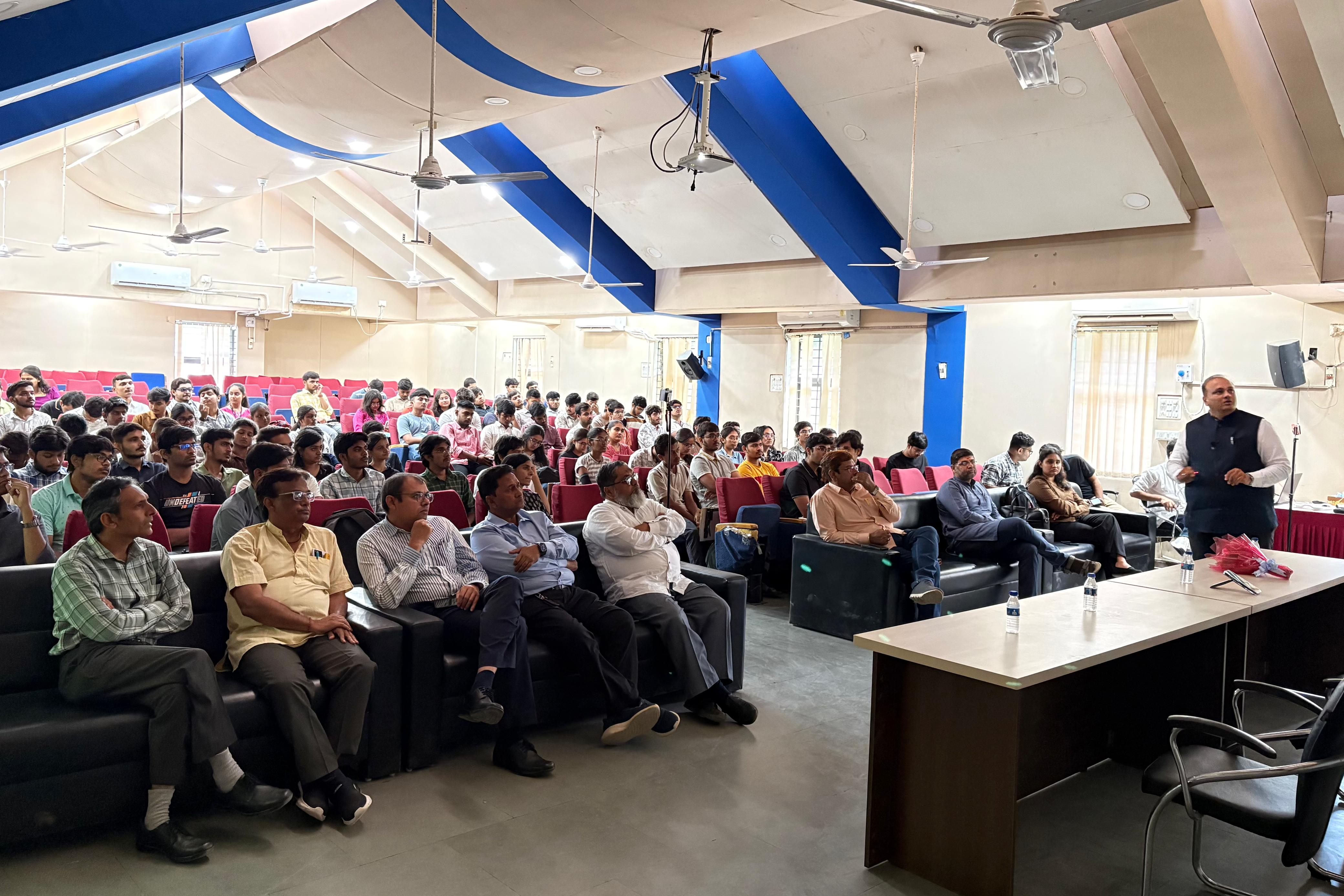
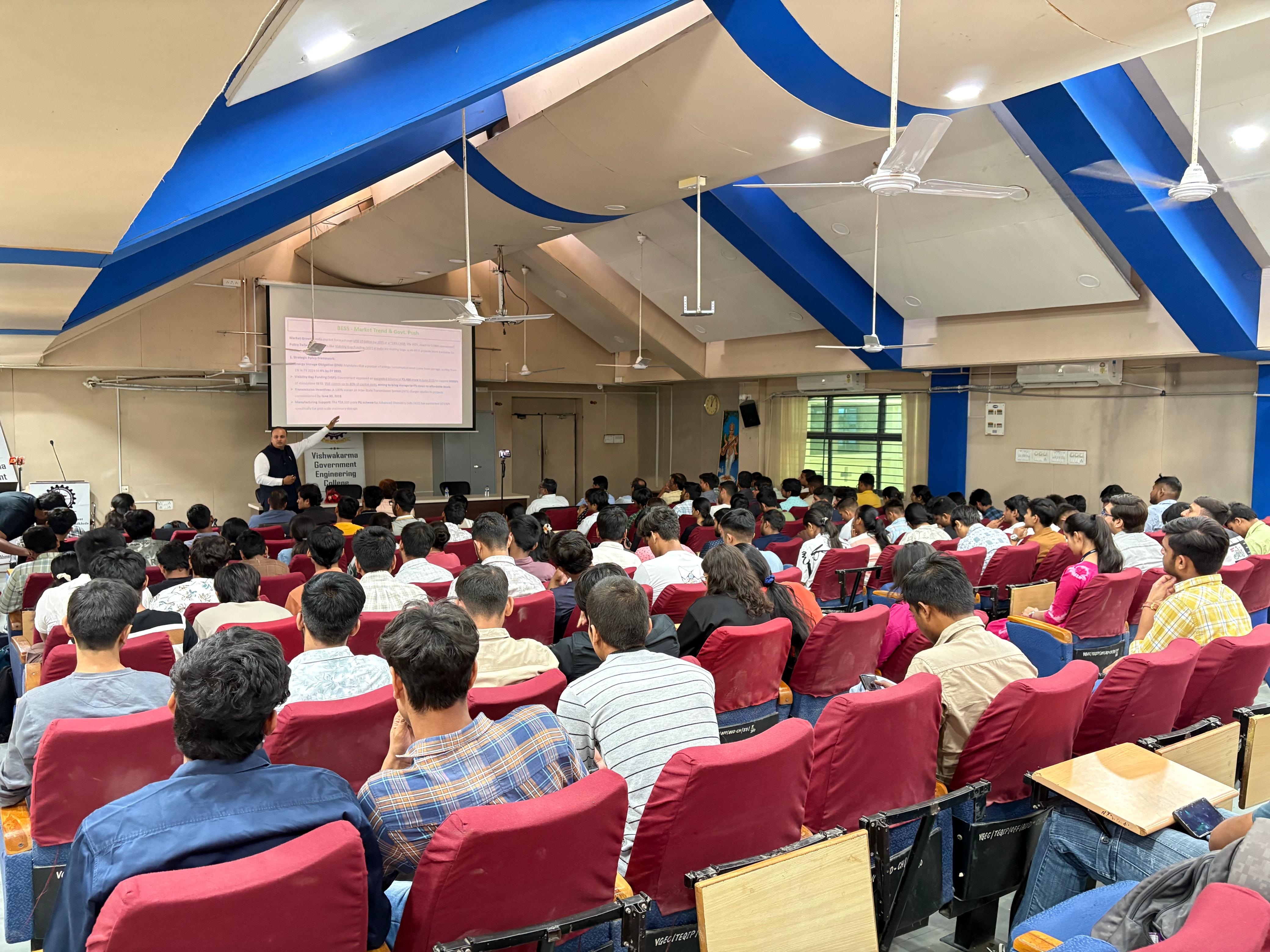
The session was delivered by Malay A. Shah, Associate Vice President – Business Development (SM) at Mindra EV Pvt. Ltd. and an alumnus of the department, who highlighted how recent global situations have exposed the risks of heavy dependence on conventional energy sources such as petrol and LPG. He emphasised that disruptions in supply chains and fuel availability underline the urgent need to move towards energy independence through technologies like electric vehicles and energy storage systems. “Market Growth: India market forecast over USD 19 billion by 2035 at a ~24% CAGR. (By 2026, reach to 5GWH operational)”
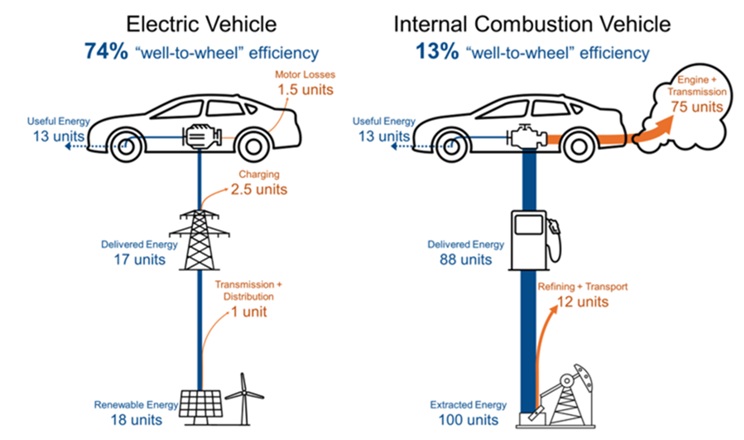
Explaining the growing adoption of electric vehicles, the speaker pointed out key advantages including reduction in carbon emissions, improved energy efficiency and significantly lower operating costs. He described EV chargers as essential power electronics systems that regulate and control the safe transfer of energy from the grid to the vehicle, forming a critical link in the entire EV ecosystem.
The lecture also highlighted the rapid expansion of EV charging infrastructure in India. With the market witnessing strong growth and public charging stations increasing significantly in recent years, the sector is evolving at a fast pace. Government initiatives, policy support and private sector participation are further accelerating this transition, making EV adoption more practical and widespread.
Focusing on the broader energy ecosystem, the session introduced Battery Energy Storage Systems (BESS) as a key technology for managing energy efficiently. The speaker explained how BESS enables storage of energy from renewable sources and supplies it during peak demand, helping improve grid stability, optimise energy usage and reduce dependency on fossil fuels. With rising investments and policy support, the BESS sector is also emerging as a major opportunity area.
From an industry perspective, the lecture underlined the increasing demand for skilled engineers in domains related to EV charging and energy storage. Students were encouraged to build strong fundamentals, understand real-world systems and prepare themselves for the opportunities emerging in this field.
Concluding the session, Head of the Department Dr. I. N. Trivedi emphasised that this is the right time for students to actively engage in learning and innovation, as the coming decade is expected to be driven by advancements in power electronics. He encouraged students to focus on developing practical skills and to be ready to contribute to this growing energy sector.
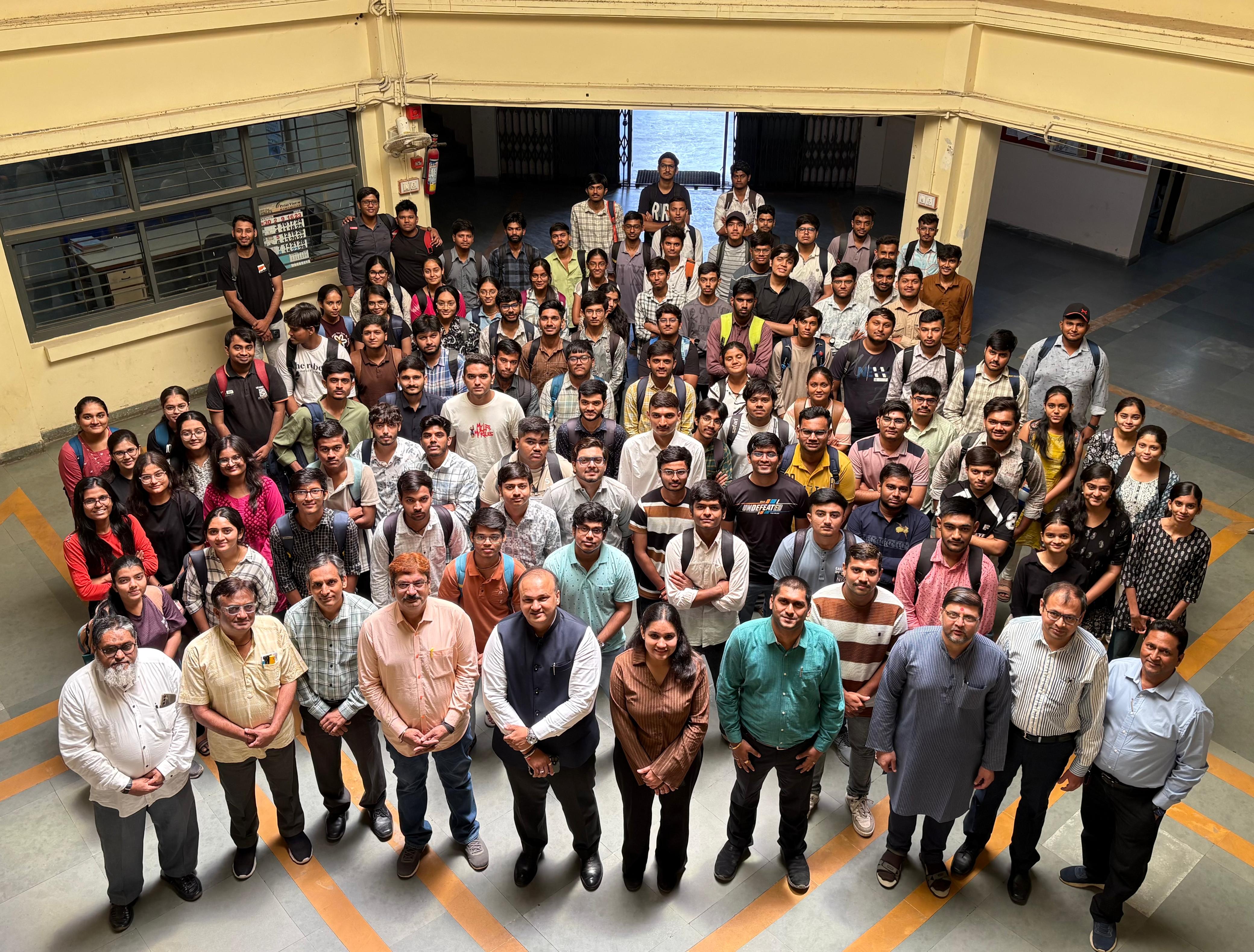
The session witnessed enthusiastic participation from students and provided valuable insights into the future of energy and mobility. It reinforced a powerful message: the transition from dependency to independence in energy is not just a possibility, but an ongoing reality shaping the engineers of tomorrow.